Many teams struggle to choose project management software because the options look similar on the surface but behave very differently in practice.
In this guide, we’ll explore types of project management software to help you choose the most suitable one. We’ll break down the project management software types by function, methodology, deployment model, scale, and industry, so you can clearly see which tools fit your way of working and avoid switching platforms later.
But if you have any questions that are not covered in this article, you can always connect with our team via info@goodday.work
Types of project management software (by function, methodology, deployment, scale & industry)
Project management software can be grouped by what it does, how teams work with it, how it is deployed, the size of the organization, and the industries it supports best.
1) Types of project management software by function
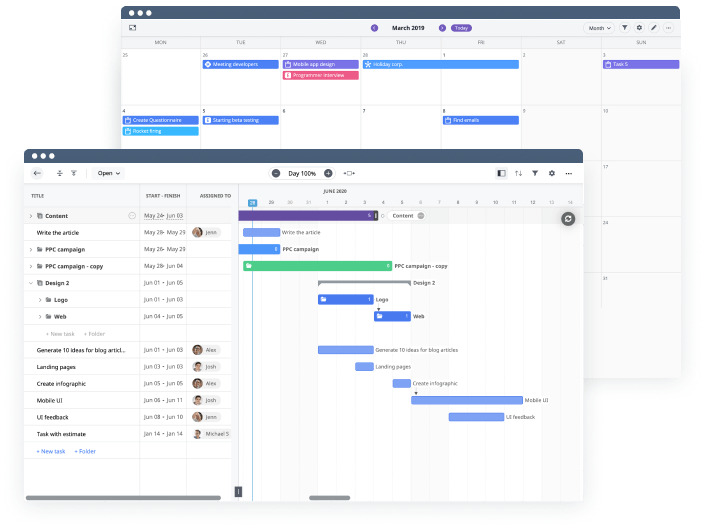
Project management software can be categorized by its primary functional focus. While many modern platforms combine multiple capabilities, most tools are still designed around a core function that shapes how teams plan, execute, and monitor work.
Integrated work management platforms
Integrated platforms combine multiple functional areas into a single system. They support task management, planning, collaboration, resource allocation, time tracking and reporting together.
These tools reduce the need to switch between specialized systems and are suitable for teams that need both operational execution and strategic oversight.
GoodDay is an example of an integrated work management platform.
Task and work management software
Task and work management tools focus on organizing, assigning, and tracking individual work items. They provide structure for daily execution rather than long-term planning.
Typical capabilities include task lists, assignees, due dates, priorities, and basic status tracking. These tools work well for teams managing ongoing tasks but often lack advanced scheduling, dependencies, and resource planning.
Common examples include Asana and Trello.
Collaboration and communication-centric software
Collaboration-focused tools are designed to centralize communication around work. Their primary goal is to reduce fragmented conversations and improve team alignment.
These platforms emphasize discussions, comments, file sharing, and shared spaces. While they support task coordination, they are not built for detailed project scheduling or capacity planning.
Basecamp is a well-known example in this category.
Planning and scheduling software
Planning-oriented project management software is built around timelines, milestones, and dependencies. These tools help teams plan projects with a defined sequence of work.
Key features include Gantt charts, dependency mapping, baseline schedules, and milestone tracking. This category is commonly used for projects where timing and order are critical.
Microsoft Project and GanttPRO are examples of planning-focused tools.
Resource and workload management software
Resource management software focuses on how people, time, and capacity are allocated across projects. The goal is to balance workloads and maximize utilization without overloading teams.
These tools provide workload views, capacity planning, and forecasting. They are often used by managers overseeing multiple projects or teams.
Wrike includes strong resource and workload management functionality.
Project portfolio management software
Project portfolio management tools operate at a strategic level, managing multiple projects across an organization. They support prioritization, governance, and high-level reporting.
These platforms help leadership align projects with business goals, track investments, and monitor overall performance rather than day-to-day execution.
Adobe Workfront is commonly used for portfolio management.
Time tracking and cost management software
Time and cost management tools focus on measuring effort and expenses associated with work. They are often used for billing, payroll, and financial control.
These tools track hours, costs, and sometimes budgets. Many modern project management platforms include time tracking as a built-in function rather than a separate tool.
Paymo is a commonly used example.
2) Types of project management software by methodology
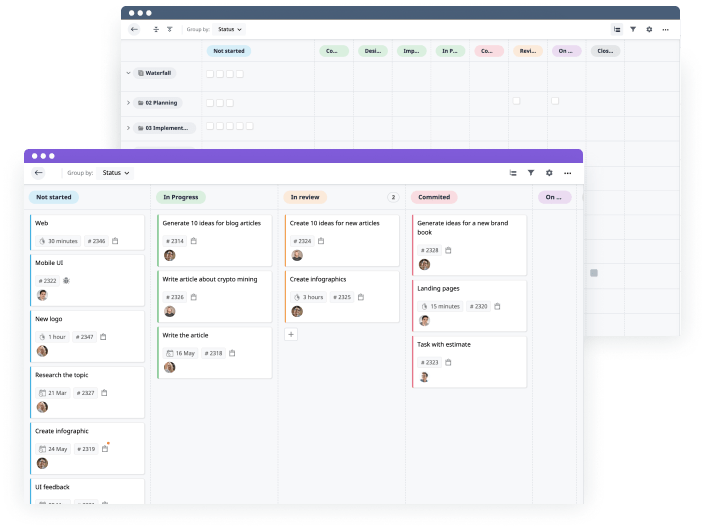
Project management methodologies define how work is planned, executed, and delivered. Many modern tools support more than one methodology, but most are still optimized around specific approaches.
Methodology-agnostic project management software
Some platforms are designed to support multiple methodologies within a single platform. They offer such tools as combine Gantt charts, Kanban boards, task lists, and goal tracking. They are suitable for organizations where different teams use different approaches or where projects evolve over time.
Teams can use structured planning methods alongside flexible execution models. Methodology-agnostic software reduces friction when adopting or changing frameworks.
GoodDay is an example of a platform that supports both predictive and adaptive workflows.
Agile project management software
Agile project management software supports iterative development and flexible planning. Work is delivered in short cycles, and requirements evolve based on feedback and changing priorities.
These tools include features such as product backlogs, sprints, issue tracking, and progress metrics. Agile software is widely used in software development, IT, and product teams where adaptability is essential.
Jira is a well-known example of an Agile-focused platform.
Waterfall and predictive project management software
Waterfall-oriented tools are designed for projects with clearly defined scope, timelines, and sequential phases. Work is planned in advance, and progress moves through structured stages such as planning, execution, and delivery.
These tools emphasize detailed scheduling, fixed milestones, task dependencies, and long-term timelines. They are commonly used in construction, manufacturing, infrastructure, and regulated industries where changes are costly or limited.
Gantt chart–centric platforms such as Microsoft Project are often used for this methodology.
Scrum-specific project management tools
Scrum tools are a subset of Agile software, optimized specifically for Scrum practices. They focus on sprint planning, backlog refinement, daily tracking, and sprint review processes.
These platforms provide structured roles, ceremonies, and metrics aligned with Scrum frameworks. While effective for dedicated Scrum teams, they may be less flexible for non-development work.
Scrum is most commonly implemented within tools like Jira.
Kanban-based project management software
Kanban software is designed to manage continuous workflows rather than time-boxed iterations. Work is visualized on boards, and teams focus on limiting work in progress to improve flow.
These tools are often used by operations, support, marketing, and service teams that handle ongoing work. Kanban software typically offers less emphasis on long-term planning and more focus on execution efficiency.
Trello is a widely recognized Kanban-based tool.
Lean and continuous improvement tools
Lean-oriented tools focus on optimizing processes, reducing waste, and improving efficiency over time. They emphasize cycle time, throughput, and incremental improvements.
These tools are commonly used in operations, manufacturing, and service management. Lean practices are often implemented using Kanban-based or hybrid project management software rather than standalone systems.
3) Types of project management software by deployment model
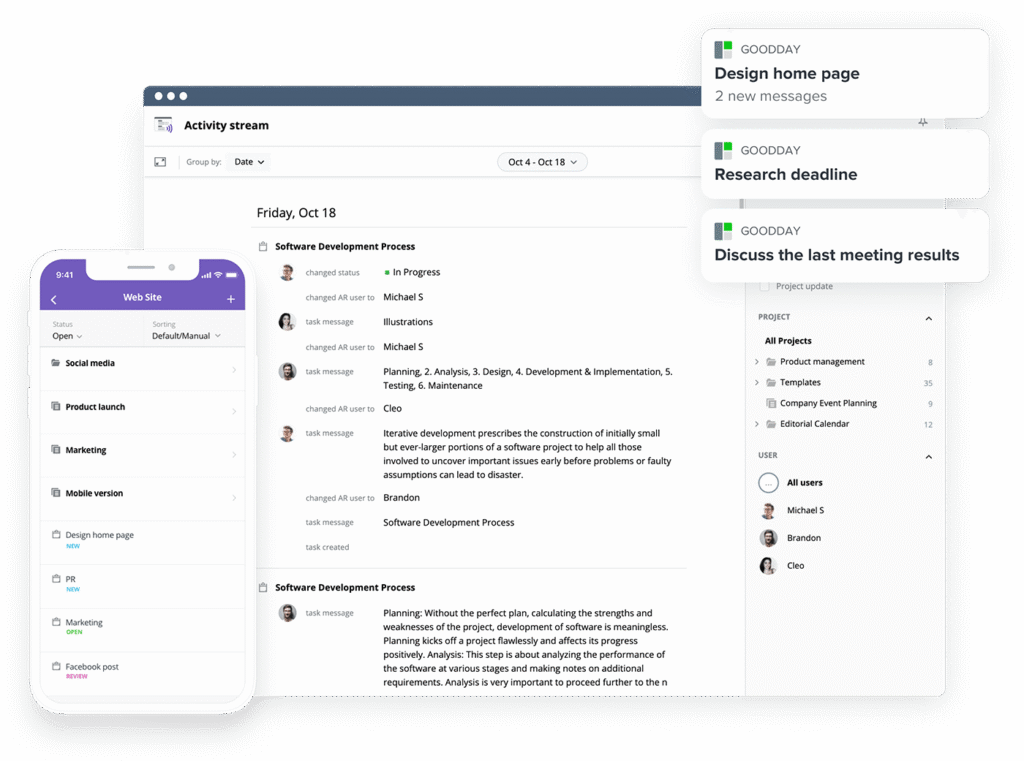
Project management software is often selected based on the deployment model.
Cloud-based and web-based software
Cloud-based tools run in a web browser and do not require local installation. They are accessible from anywhere and support distributed and remote teams.
Most modern project management software falls into this category, including GoodDay, Asana, and Monday.com.
Desktop project management software
Desktop tools are installed on a single machine and often work offline. They are typically used by individual planners rather than teams.
Older versions of Microsoft Project are a common example. These tools are becoming less common as collaboration needs increase.
Client-server project management software
Client-server systems use local client applications connected to a central server. They offer more control than cloud tools but require IT management.
This model is mainly used in regulated or highly controlled environments.
4) Types of project management software by scale
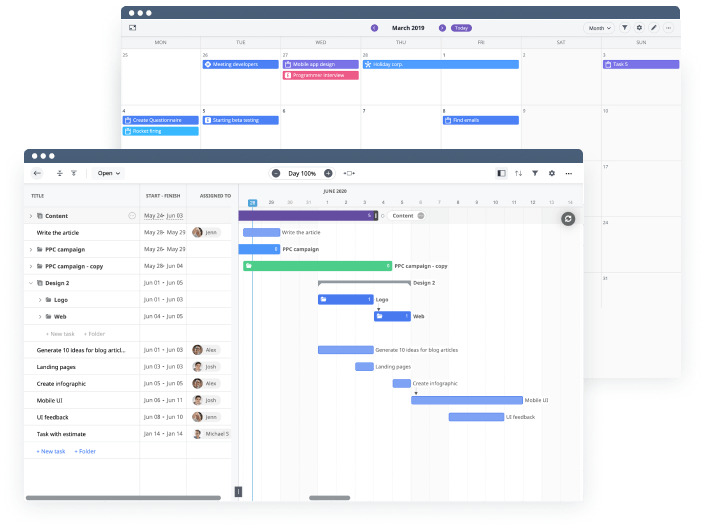
As teams grow, their needs typically evolve from simple task tracking to structured planning, cross-team coordination, and portfolio-level oversight. Understanding these scale-based categories helps avoid switching tools too early or too late.
Individual and freelancer tools
These tools are designed for solo professionals and very small teams managing a limited number of projects. The focus is on simplicity, fast setup, and minimal overhead.
They usually provide basic task lists, simple boards, and lightweight collaboration. While effective for personal productivity or client work, they lack advanced planning, dependencies, and reporting.
Typical examples include Trello and Basecamp.
Small team and startup tools
Small team tools support growing teams that need more structure but still value ease of use. They help coordinate work across multiple people without introducing heavy processes.
These platforms typically include task management, basic timelines, simple reporting, and collaboration features. They work well for startups and small businesses managing several parallel projects.
Examples include Asana and Monday.com.
Project management platforms for growing multi-team environments
Such platforms are designed for organizations with multiple teams, ongoing initiatives, and increasing planning complexity. They balance usability with more advanced capabilities.
These tools usually support Gantt charts, task dependencies, workload management, time tracking, and cross-project reporting.
GoodDay is a strong example in this category.
Enterprise project management solutions
Enterprise solutions are built for large organizations with complex hierarchies, governance requirements, and strategic oversight needs. They support large-scale coordination across departments and portfolios.
These platforms include advanced permissions, portfolio management, resource forecasting, compliance controls, and executive reporting. They often require more configuration and administrative effort.
Wrike and Adobe Workfront are commonly used enterprise-level tools.
Portfolio and strategic management systems
At the highest scale, some organizations adopt dedicated systems focused on strategy execution rather than day-to-day task management. These tools align projects with business objectives and investment decisions.
They are typically used by executives and PMOs to prioritize initiatives, manage budgets, and track outcomes across the organization. These systems often complement, rather than replace, operational project management tools.
For example, large enterprises often use platforms like Planview to connect portfolio initiatives with strategic goals.
5) Types of project management software by industry
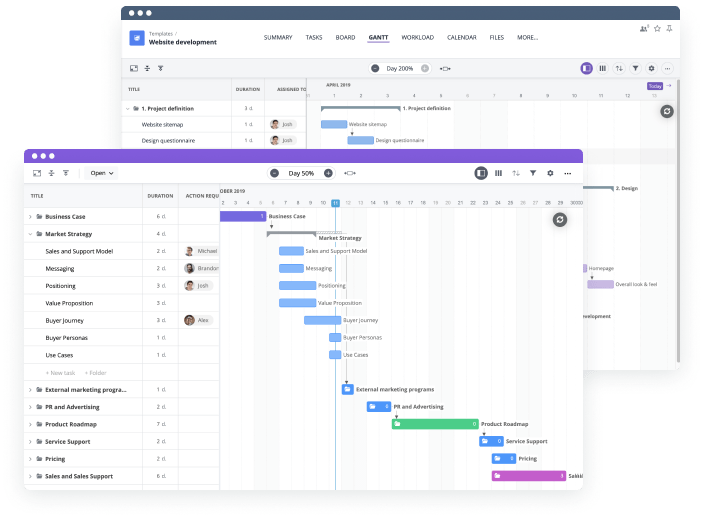
Some project management tools are built to work well across many industries, while others are designed for the specific workflows needs of a particular field.
Industry-agnostic project management software
Industry-agnostic tools are designed to work across many types of teams and businesses. They focus on flexible task management, planning, collaboration, and reporting that can be adapted to different use cases. These platforms are commonly used by companies with mixed teams or changing project types. GoodDay is an example of an industry-agnostic platform that supports a wide range of workflows.
IT and software development project management software
Software development tools are optimized for Agile, Scrum, and iterative delivery. They support backlogs, sprints, issue tracking, and release planning. These platforms help software developers manage changing requirements and fast development cycles. Jira is a widely used example in this category.
Construction project management software
Construction-focused tools are built for projects with fixed timelines, budgets, and many external stakeholders. They support scheduling, subcontractor coordination, document control, and on-site reporting. These platforms help manage complex dependencies and compliance requirements. Procore is a common example used in construction and infrastructure projects.
Manufacturing and operations project management software
Manufacturing-focused platforms support production planning, process tracking, and capacity management. They help teams coordinate work across supply chains, production stages, and quality controls. These tools often integrate with ERP or inventory systems. They are commonly used in factories and operations teams. Tools like Oracle Primavera are often used to manage complex operational and production workflows.
Healthcare and regulated industry project management software
These tools are designed for environments with strict compliance and documentation requirements. They support controlled workflows, approvals, audit trails, and data security. Healthcare and regulated organizations use them to manage projects while meeting legal and industry standards.Smartsheet are frequently used in regulated environments due to their compliance and governance features.
Best workflow-agnostic project management software in 2026
Some project management platforms are designed to support all major workflow types within a single system. These tools do not force teams into one methodology but allow them to combine structured planning, flexible execution, and strategic oversight as needed.
GoodDay
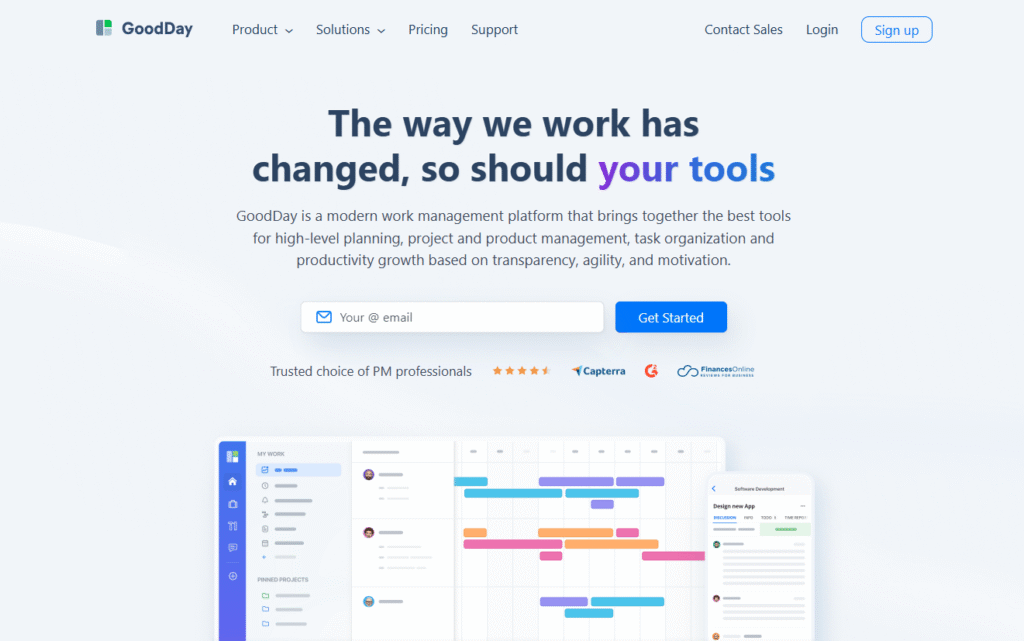
GoodDay is an all-in-one work management platform that is trusted by Fortune 500 companies, startups and businesses of all sizes all over the world. It offers Kanban boards, Gantt charts, time tracking, resource planning, templates for various industries and portfolio-level reporting in one system. Teams can use Agile, Waterfall, or hybrid workflows without switching tools. GoodDay is recognized as a top-rated software in 12 Capterra shortlists in 2026.
Wrike
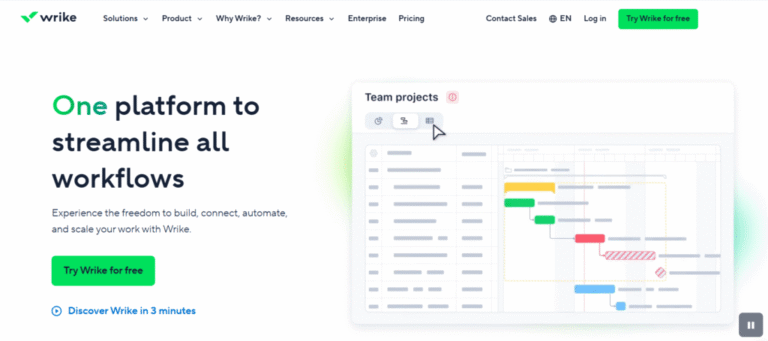
Wrike supports multiple workflow styles, including task lists, timelines, and Agile boards. It is commonly used by teams that need structured processes with strong reporting and resource management. Wrike is often chosen by larger organizations with cross-functional teams.
Monday.com
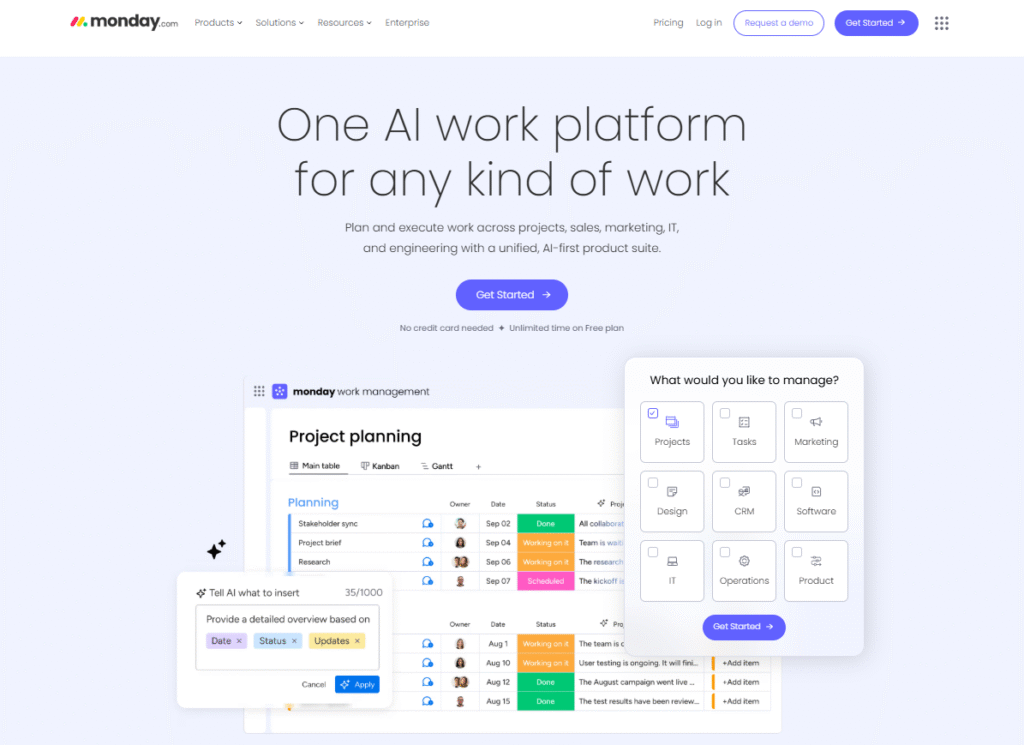
Monday.com offers flexible boards that can be configured for different workflow types. Teams can adapt it for project tracking, operations, or simple task coordination. It is popular with teams that want visual customization and ease of use.
ClickUp
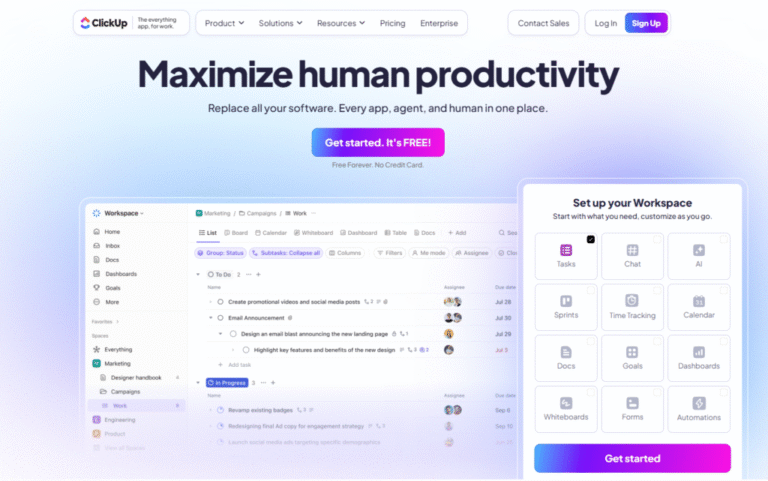
ClickUp provides a wide range of views, including lists, boards, timelines, and Gantt charts. It supports multiple work styles within one workspace and is often used by teams experimenting with different processes. However, it can require more setup to manage complexity.
GoodDay – project management software you can rely on
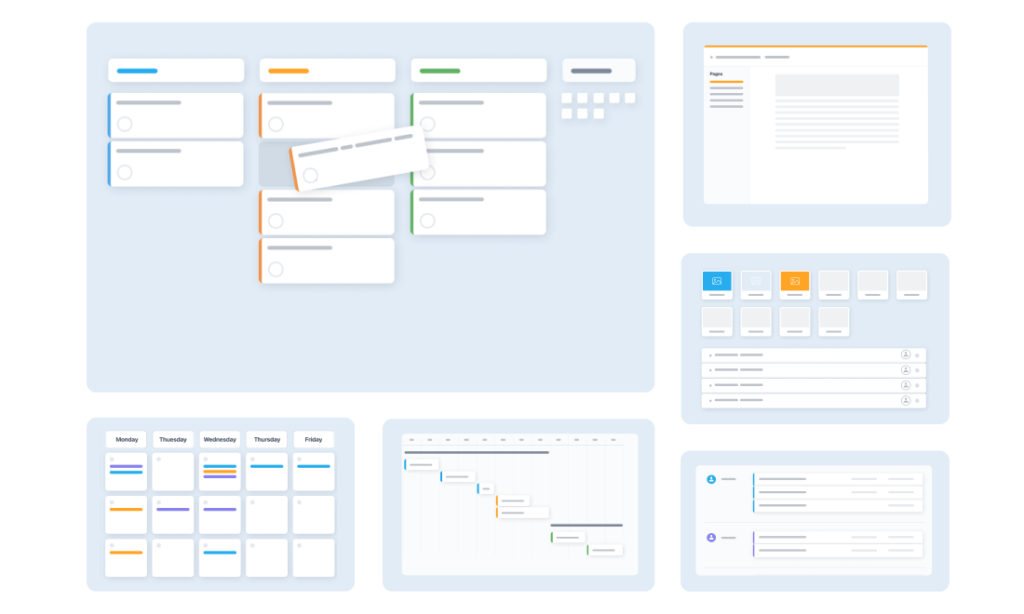
If you’re looking for the best balance of features and price, GoodDay stands out in 2026. It is popular globally for its powerful functionality and affordable plans.
You can try GoodDay for free to see how it fits your workflow.
And if you have any questions about selecting the right project management software, you can always reach out to our team via info@goodday.work
FAQs
What are the types of software project management?
Project management software types include task-focused tools, Agile and Kanban systems, timeline-based planning tools, and enterprise platforms. These categories support different project management functions, from simple execution to strategic oversight. Teams choose between lightweight tools or platforms built for complex projects depending on their needs. GoodDay fits across these types by supporting multiple approaches in one system. Across these categories, teams rely on task management software to organize project tasks and keep task status clear.
What are the four main types of project management software?
The four main types are desktop software, cloud-based platforms, integrated systems, and client-server solutions. A modern project management system usually combines planning, execution, and reporting in one place. Cloud platforms are now preferred because they centralize project data and support remote teams. These systems often replace other project management software by consolidating work into one project management solution.
What are the main tools of project management?
The main tools include planning tools, scheduling tools, tracking tools, and collaboration tools. These tools help teams manage projects from start to finish with clarity. They also support task assignments and visibility into responsibilities. GoodDay brings these tools together so teams do not need separate systems. Core team collaboration tools help the project team coordinate work without switching to other tools.
What are the best project management tools?
The best tools balance usability, flexibility, and depth of functionality. Strong platforms offer essential project management features without overwhelming users. GoodDay stands out among project management software solutions because it adapts to different team sizes and workflows. This makes it suitable for both growing teams and mature organizations. Top platforms combine basic project management features with selective advanced features as teams scale.
What is the main tool of project management?
The main tool is a centralized platform that coordinates people, tasks, and timelines. It allows project managers to plan, execute, and review work in one place. A good system also shows project progress clearly across teams. GoodDay provides this visibility while remaining easy to use. Clear progress tracking helps leaders monitor project performance consistently.
What type of software is project management software?
Project management software is a productivity and coordination platform designed to organize work. It functions as a task management tool combined with planning and reporting capabilities. These platforms help teams track progress and outcomes over time. GoodDay combines planning, execution, and insight in a single solution. It supports essential task management features that allow teams to assign tasks and stay aligned.
What is the best Gantt charts software?
The best Gantt chart software combines visual timelines with real scheduling logic. It should support dependencies, milestones, and resource management features. GoodDay is widely chosen as project planning software because its Gantt charts work alongside Agile and task-based views. This flexibility is useful across industries. Strong resource management tools help teams allocate effort across timelines accurately.
What are the best project management tools which help creative teams manage tasks?
Creative teams need tools that support flexibility and fast changes. Strong platforms include collaboration tools and clear task visibility without rigid structure. GoodDay supports creative teams by enabling custom workflows that match real creative processes. This reduces friction while keeping accountability. Teams can create custom workflows and reduce repetitive tasks through built-in workflow automation.
What are the key features of the best project management software?
The best project management software includes key features that help project managers plan, execute, and control work efficiently. It allows teams to manage projects through clear timelines, priorities, and ownership, with strong support for project planning across short- and long-term initiatives. A well-designed platform helps the project team collaborate in one shared workspace without confusion or duplication. Many modern tools also include light customer relationship management capabilities to connect client work with delivery tasks. All of this should be delivered through a user friendly interface that supports daily work without slowing teams down.
What are the top project management software with customer relationship management and file sharing features?
The top project management software with built-in customer relationship management and file sharing features are platforms that help project managers keep clients, teams, and deliverables aligned in one place. These tools support project planning, scheduling, and collaboration while also tracking client interactions and documents alongside work. GoodDay is a strong example because it combines task tracking, CRM-style contact and interaction records, file sharing, and dashboards in one system. Other platforms like ClickUp and Wrike offer extensions or modules that link project work with basic CRM functions and centralized document libraries. These combined capabilities help teams move smoothly from client communication to execution without switching between disconnected systems.
What project management software has the best free plan?
A good free option should include real functionality, not just basic lists. The best free plan allows teams to organize work and collaborate without immediate upgrades. GoodDay offers a free tier that includes meaningful planning and execution capabilities. This makes it practical for individuals and small teams. Unlike many free software options, it supports real team collaboration from day one.
What is the best project management software?
The best project management software is one that adapts to different workflows, industries, and team sizes. It should combine strong key features like planning, tracking, and collaboration in one system. GoodDay supports Agile, Waterfall, and hybrid work while remaining easy to adopt. This makes it a reliable choice for teams with evolving needs. Its automated workflows, support for agile methodologies, seamless track project progress, and integrations with third party apps make it the best project management software for modern teams.